sundays
Concept & Design — Character Development
From the very beginning, the creative direction aimed to design a robot that would fit naturally into the real Bangkok environment — a street character rather than a sci-fi hero.
Our goal was to create someone who could walk through a real alley, stand next to a food stall, and feel like he belongs there. That philosophy defined every design choice — from proportion and texture to the smallest surface detail.
Creative Direction
We combined retro-mechanical aesthetics with modern street culture references — inspired by urban photography, sneaker culture, and Levi’s heritage of functional design.
The robot had to represent authentic craftsmanship in a digital form.
Instead of cold perfection, we aimed for human imperfection — a machine that looks slightly worn, relatable, and alive.
Design Notes
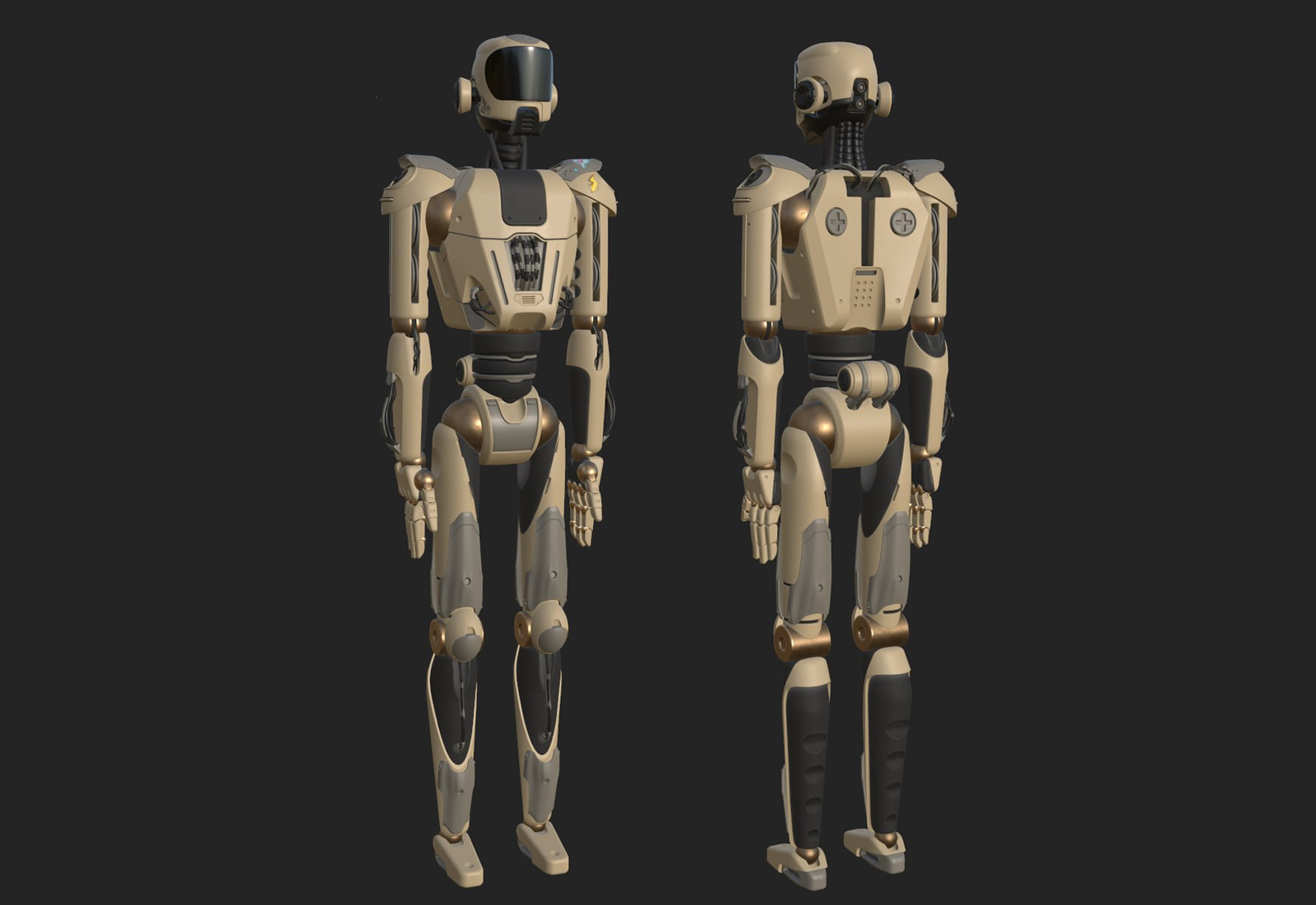
- Simplified, readable silhouette — easily recognizable in motion, even from a distance.
- Human-inspired proportions — balanced torso and limb ratios for empathy and movement clarity.
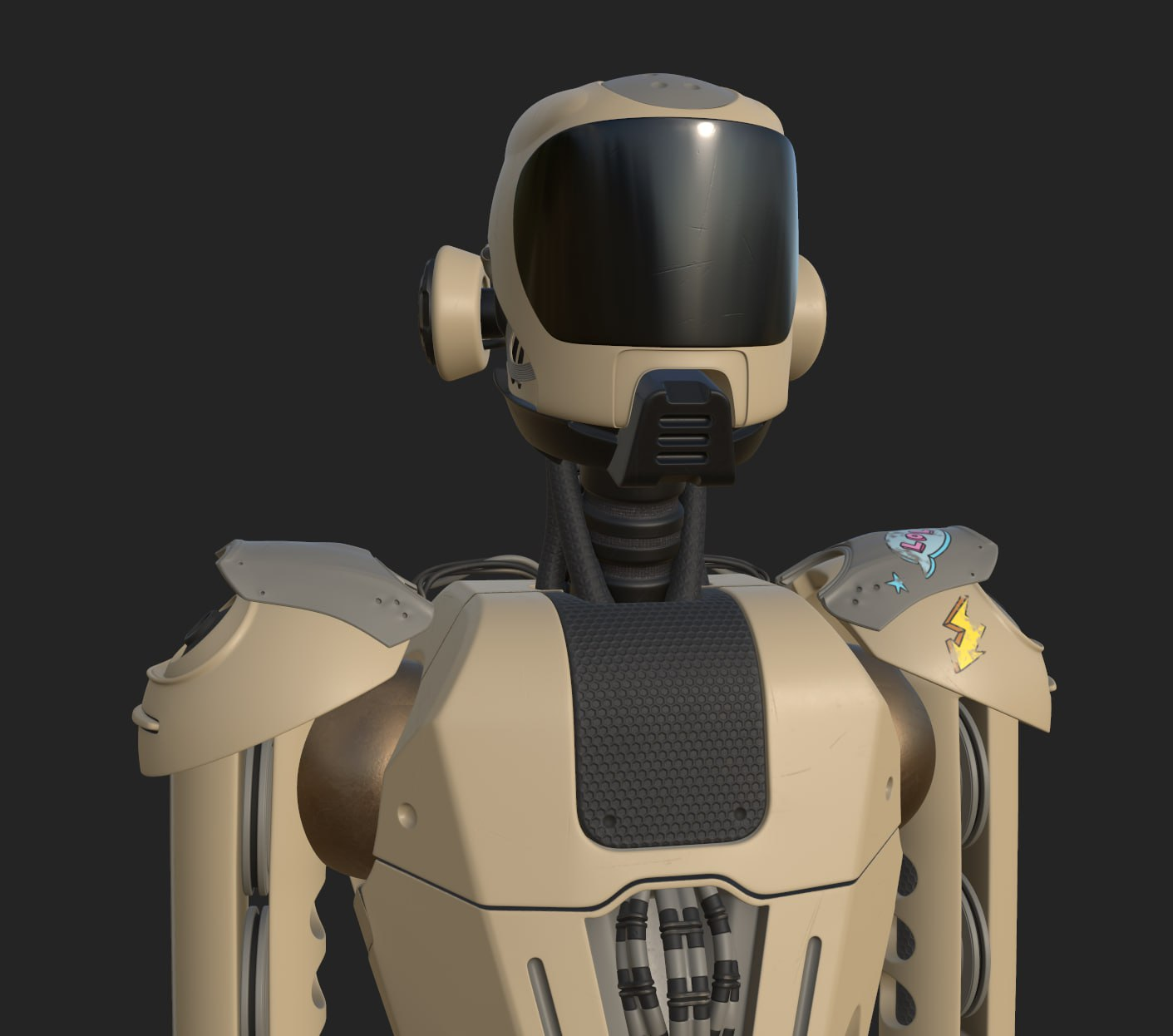
- Material inspiration: brushed aluminum, matte steel, and denim-toned metallics reflecting the Levi’s palette.
- Surface imperfections: subtle scratches, dust, and smudges that give the robot physical history.
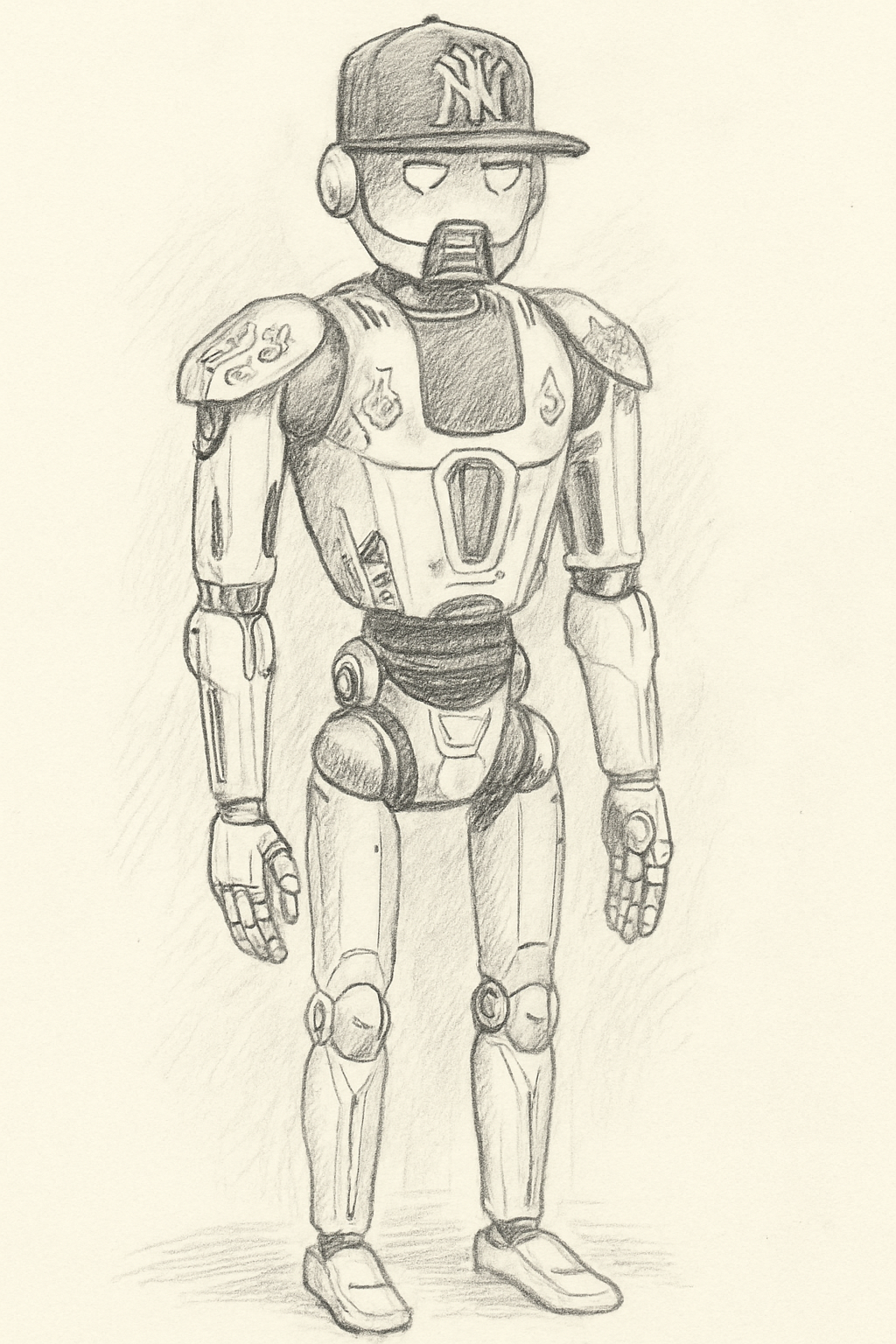
- Personality accessories: NY cap, decals, and light panels to express individuality and blend with urban streetwear culture.
The robot had to feel like he could exist in the same world as Levi’s denim — crafted, functional, and timeless.
Tools & Process
The design process started with concept sketches and material lookdev in Photoshop and Substance Painter, followed by 3D shape exploration in Blender and Maya.
Each iteration was validated against real Bangkok lighting plates to ensure the materials would behave believably in natural light.