sundays
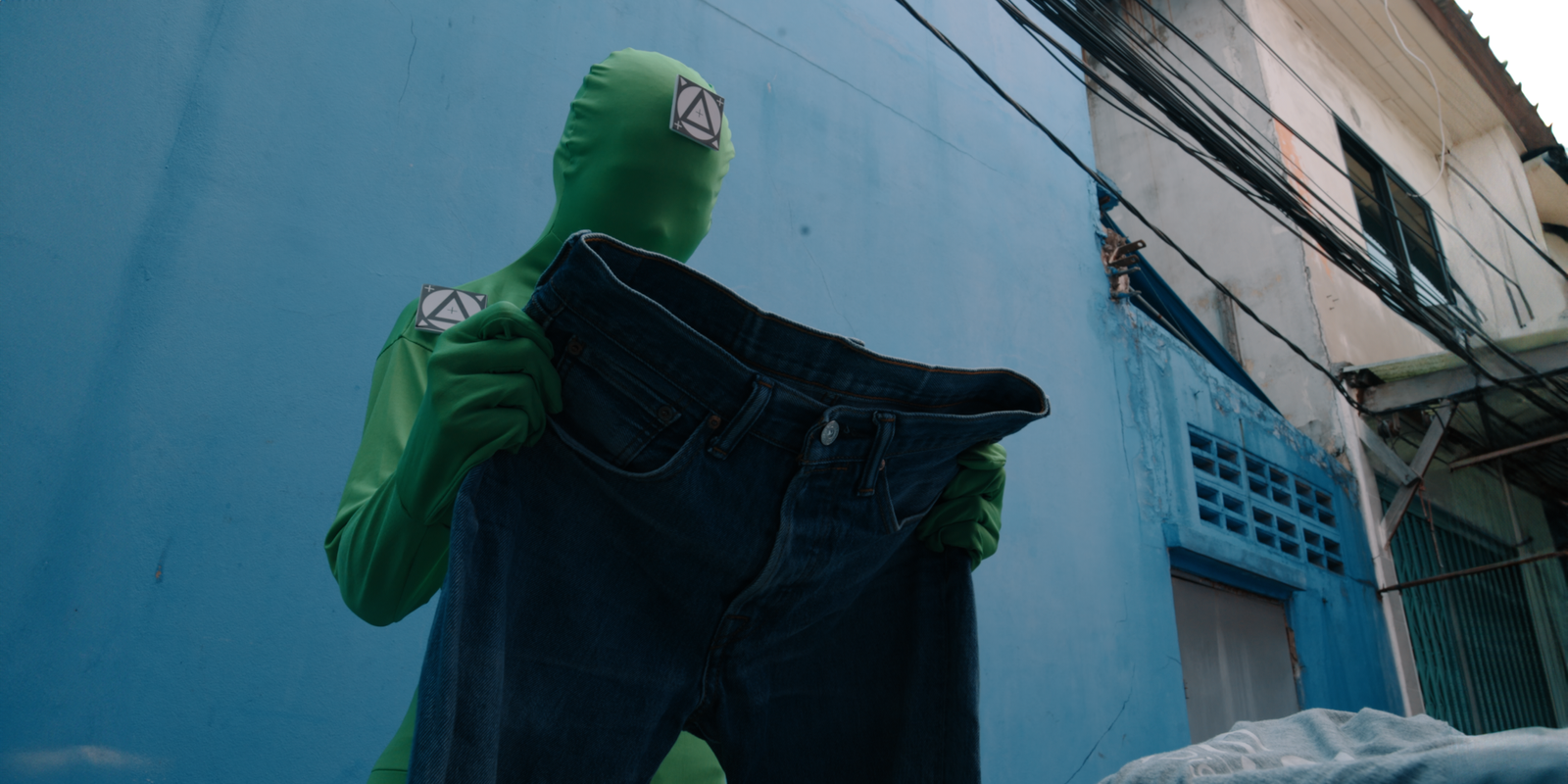
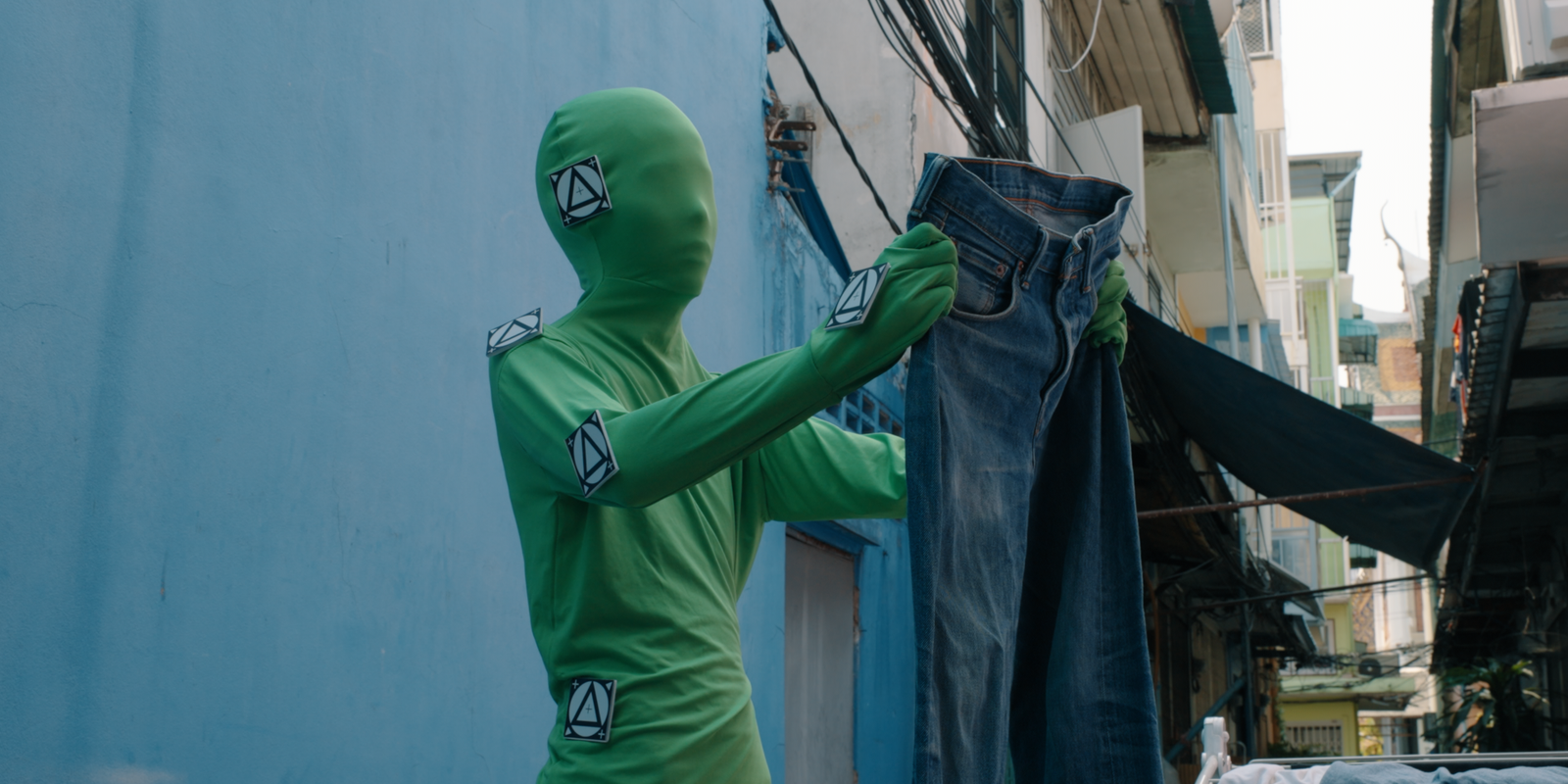
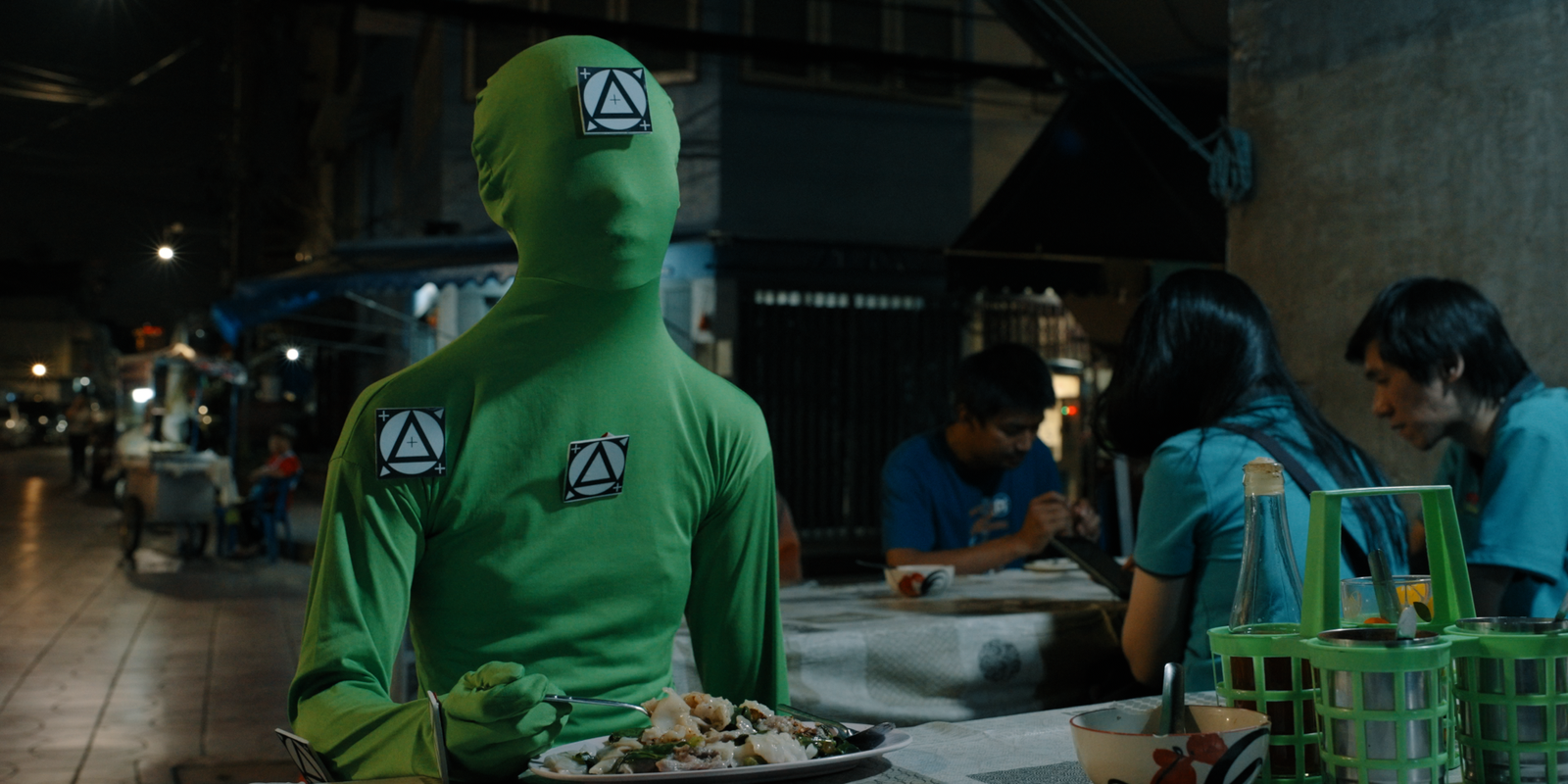
Before integrating the CG robot, all traces of the on-set performer in the green suit had to be completely removed.
Since the project was produced under a tight post-production schedule, we used a hybrid cleanup pipeline that combined manual paintout with AI-assisted cleanup techniques.
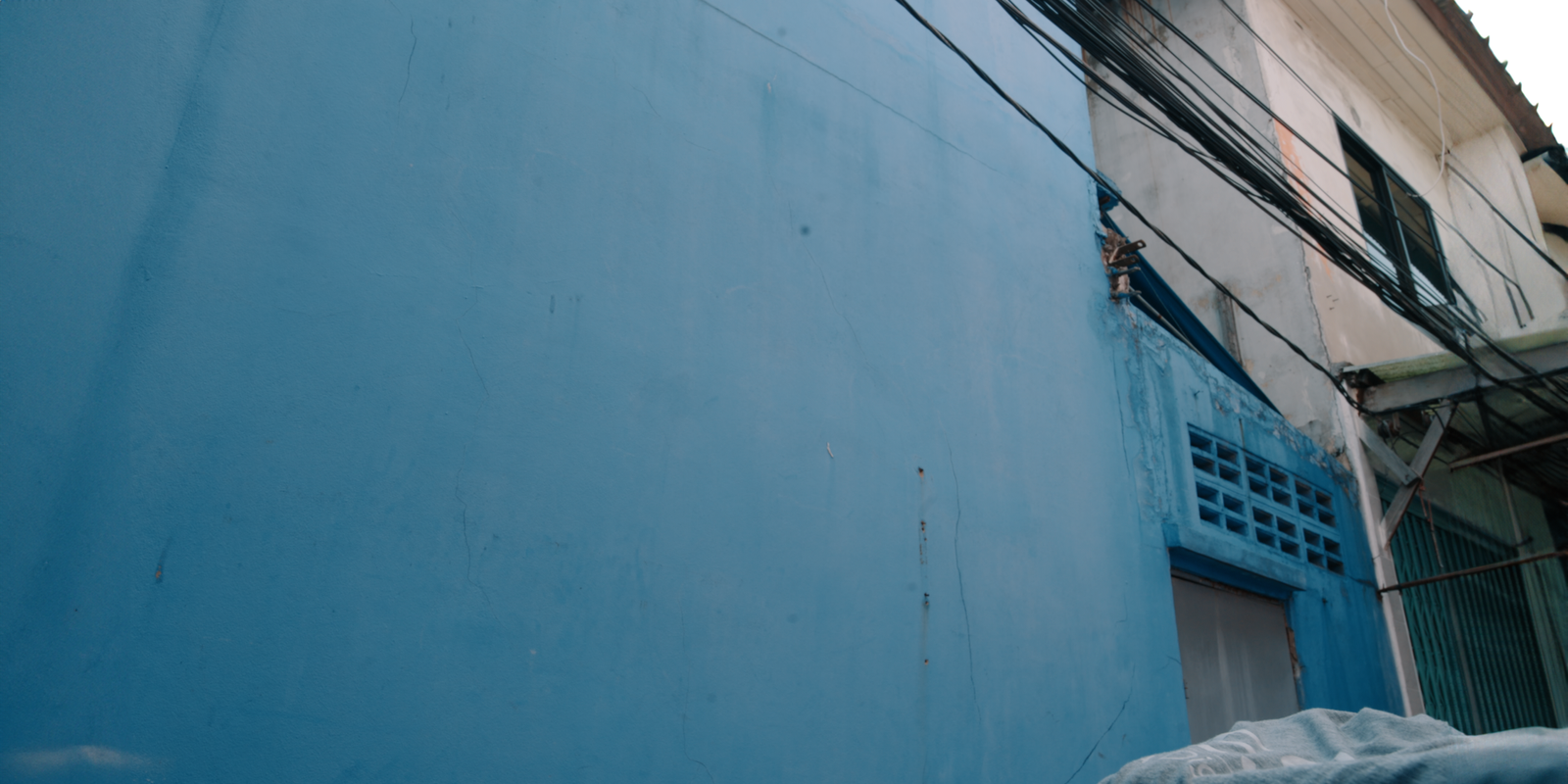
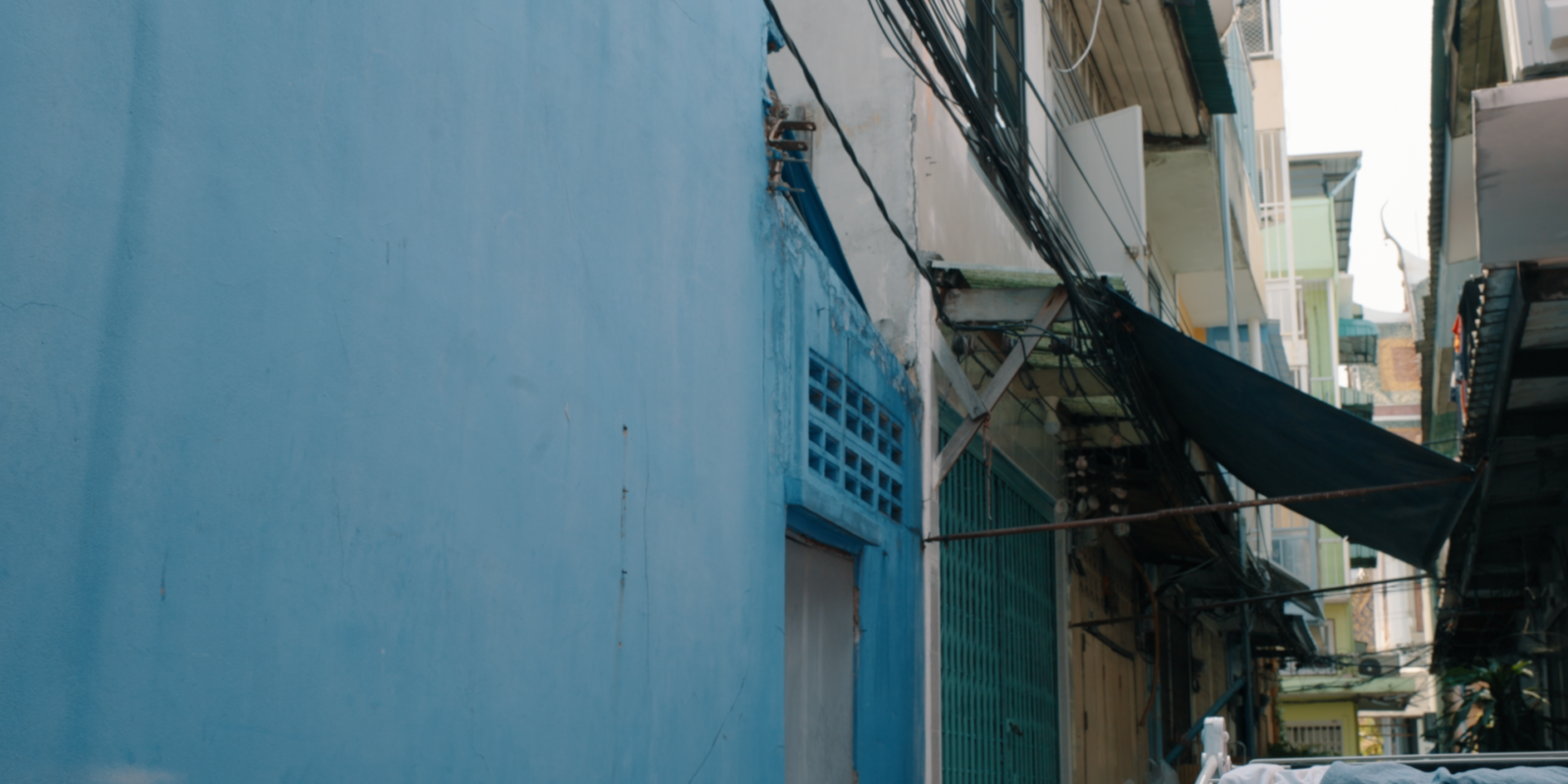
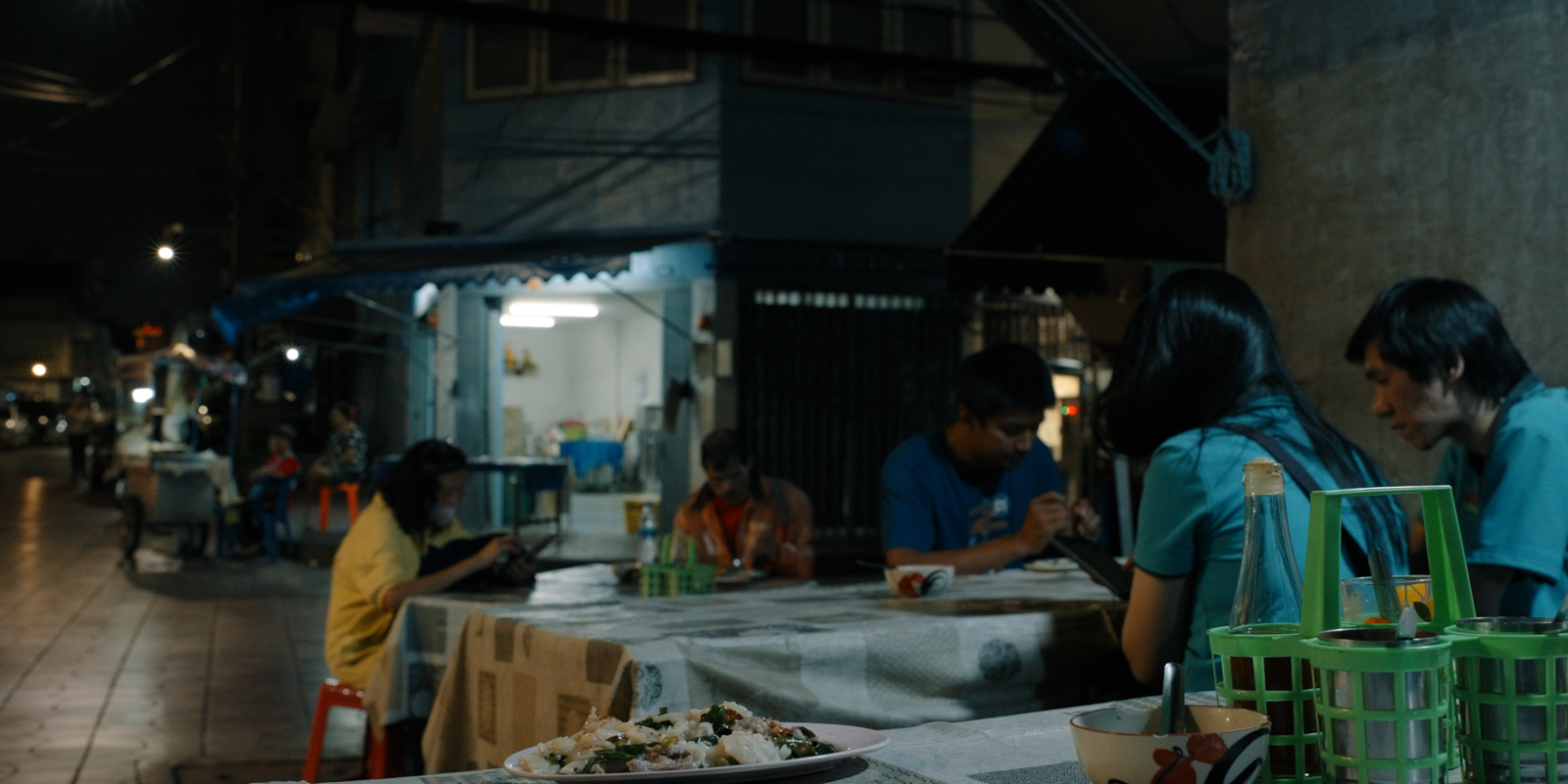
The goal was to deliver plates that looked completely untouched, as if the actor had never been there.
Workflow
- Manual Cleanup (Nuke + Photoshop projection painting)
- Frame-by-frame paintout of the performer’s body and shadows using roto + projection mapping.
- Reconstruction of occluded areas — including walls, clothing, tables, and ground details.
- Used for hero shots and any frames with complex parallax or lighting interaction.
- AI-Assisted Cleanup (Content-Aware / Inpaint models)
- For static or mid-motion shots, AI-based cleanup was applied to speed up repetitive paint passes.
- Results were imported back into Nuke and refined manually to remove AI artifacts and restore natural film grain.
- This approach reduced cleanup time per shot by nearly 50%, without compromising realism.
- Shadow & Reflection Preservation
- Where possible, original plate shadows were preserved and reconstructed separately to maintain realistic ground interaction.
- Degrain / Regrain Pass
- All cleaned areas were degrained before projection, then regrained to match the original texture and camera noise pattern.
Every plate was rebuilt to be invisible — not “clean,” but cinematically seamless.
Example
Below are a few cleanup examples — the performer in the green suit was fully removed using a combination of projection paint and AI assistance. The result: a production-ready plate with preserved lighting, texture, and atmosphere.