sundays
Modeling & Texturing — Building the Character
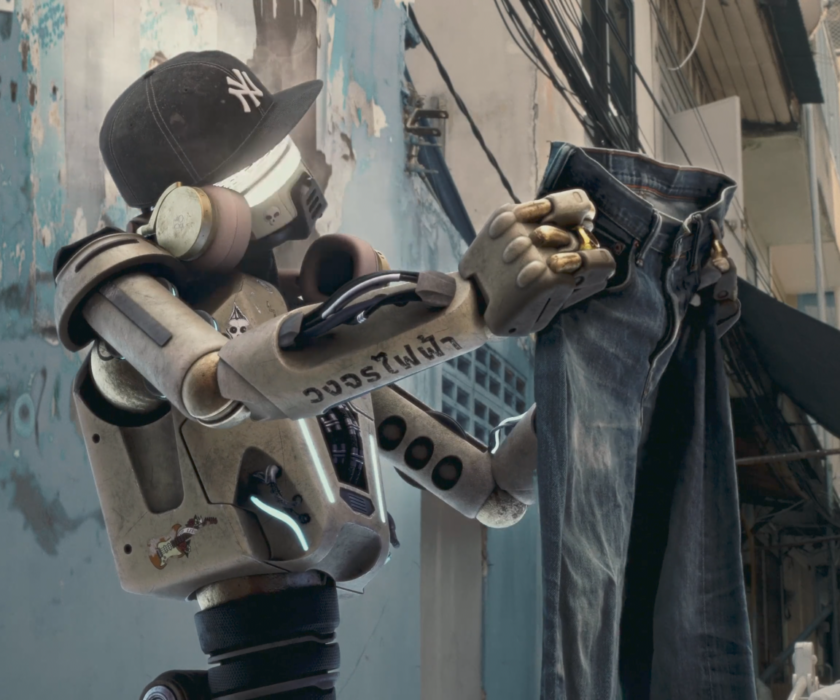
Once the design language was approved, we transitioned into modeling and texturing to bring the robot from concept to production-ready asset. The challenge was to keep the industrial precision of a machine while preserving the organic imperfection that made him feel human.
Modeling Workflow
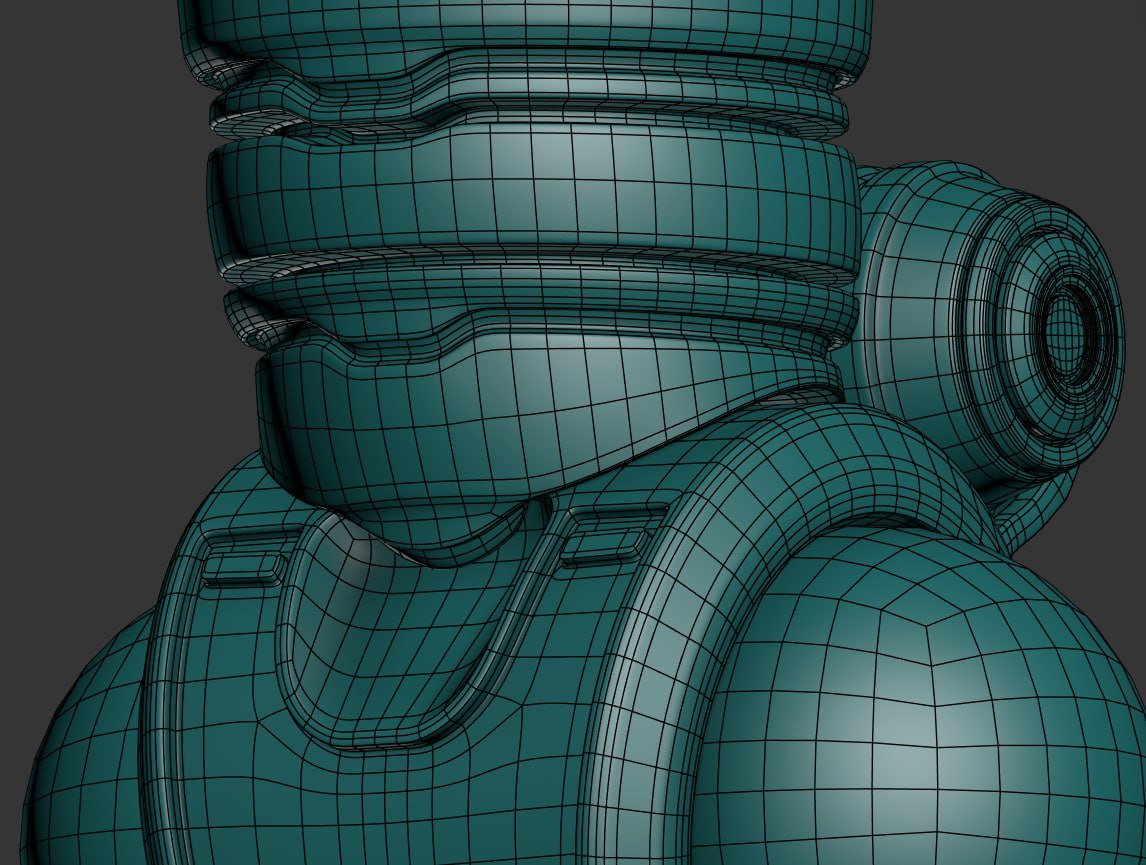
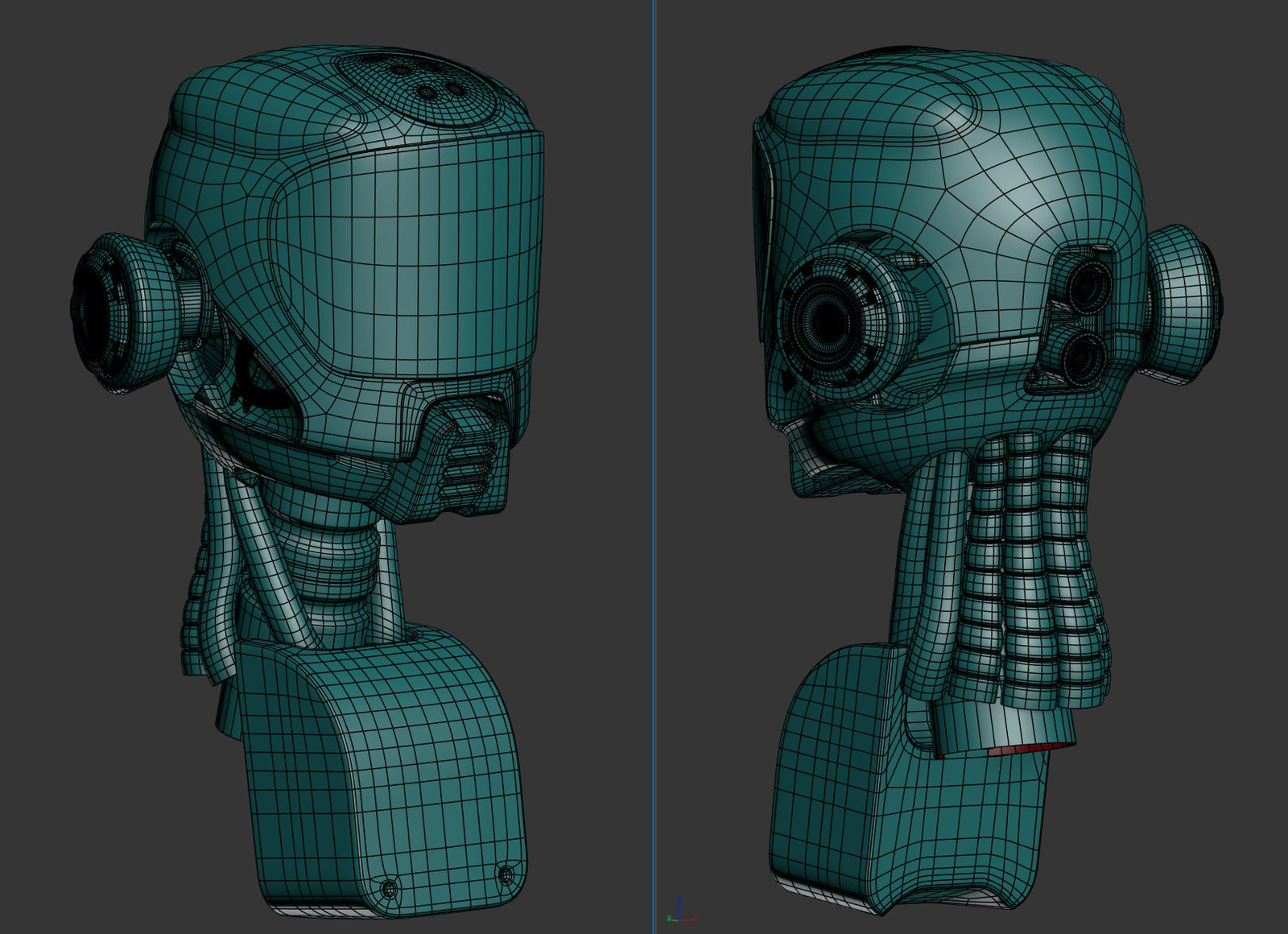
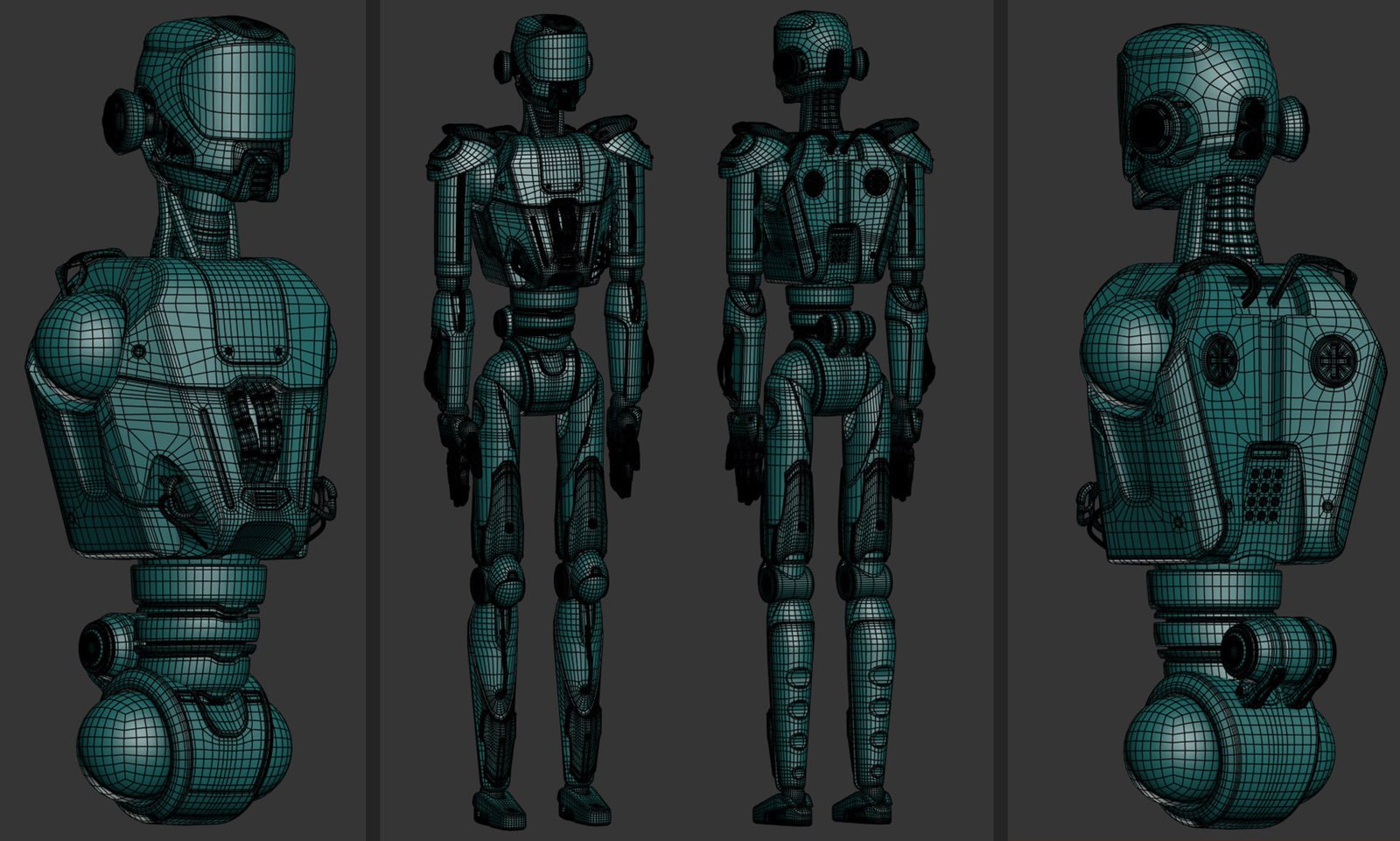
The base mesh was built in Maya, using clean, production-friendly topology optimized for animation and deformation.
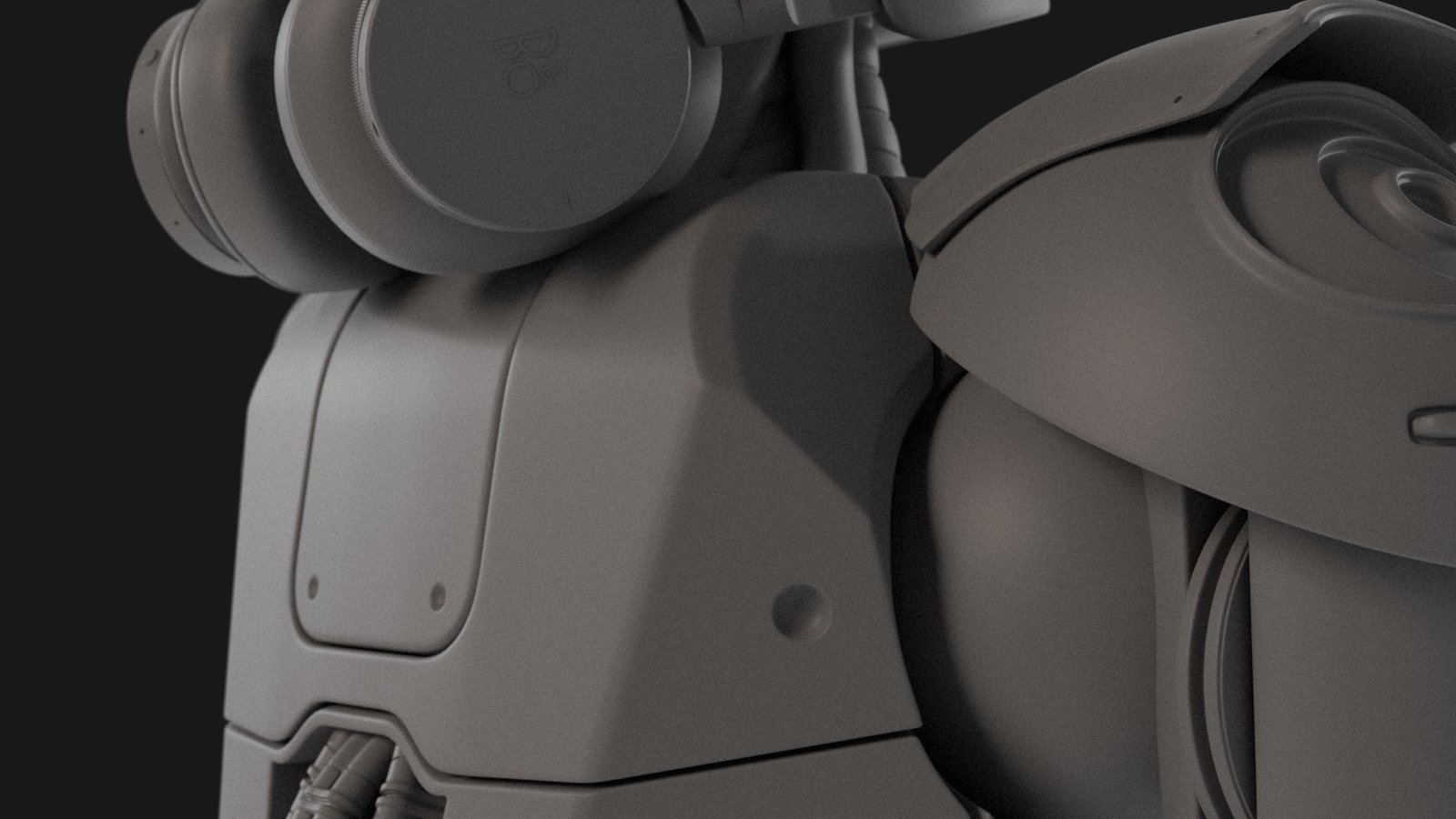
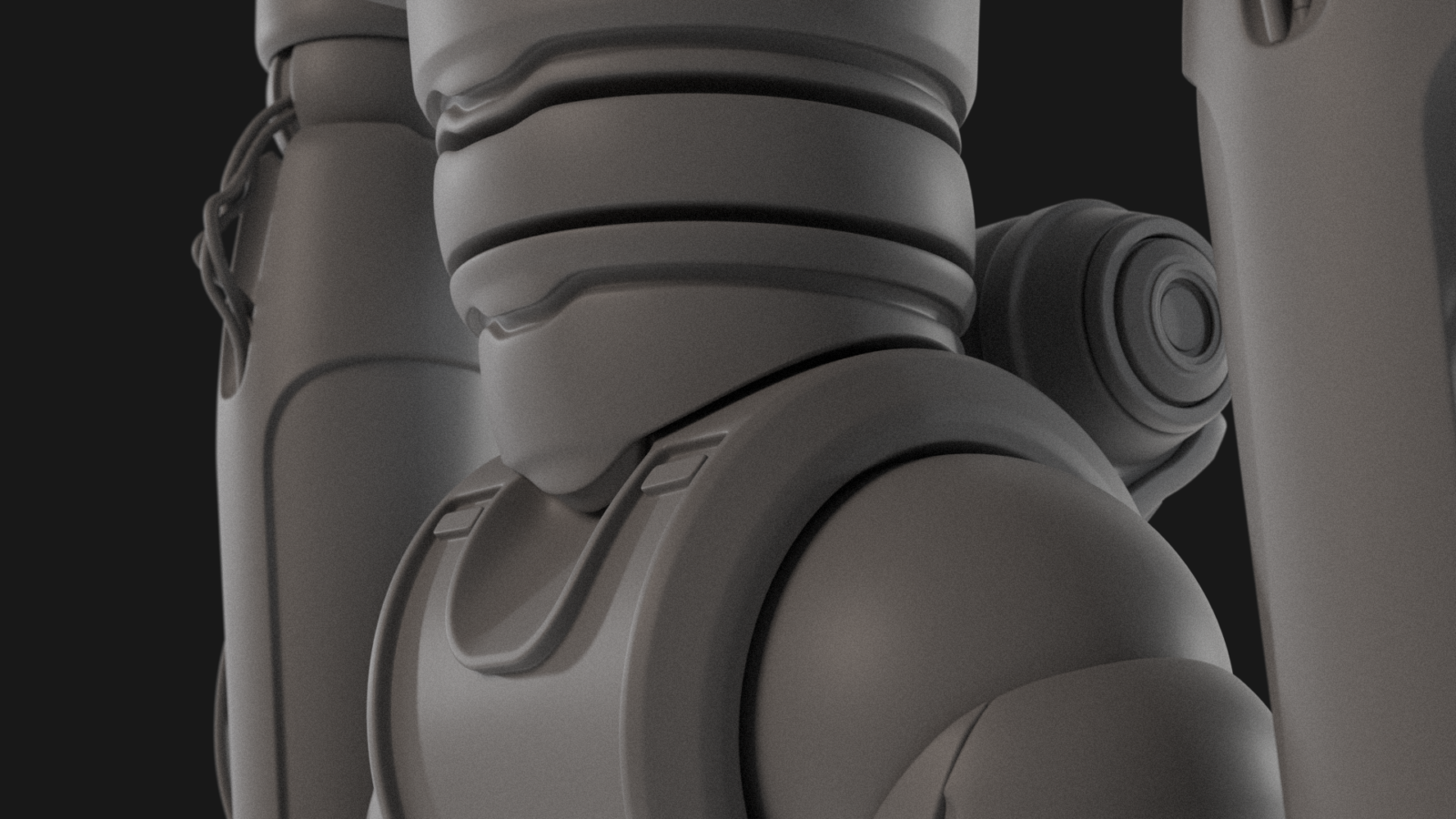
Since the robot’s design relied heavily on visible mechanics and paneling, we prioritized logical segmentation and joint articulation over hyper-detailing.
Key modeling principles:
- Readable topology: edge flow optimized for rigging and secondary motion.
- Modular construction: limbs and joints separated for independent articulation.
- Proportional balance: subtle curvature in torso and head to avoid stiffness.
- Efficient polycount: maintaining high fidelity while ensuring smooth playback for animation and lighting.
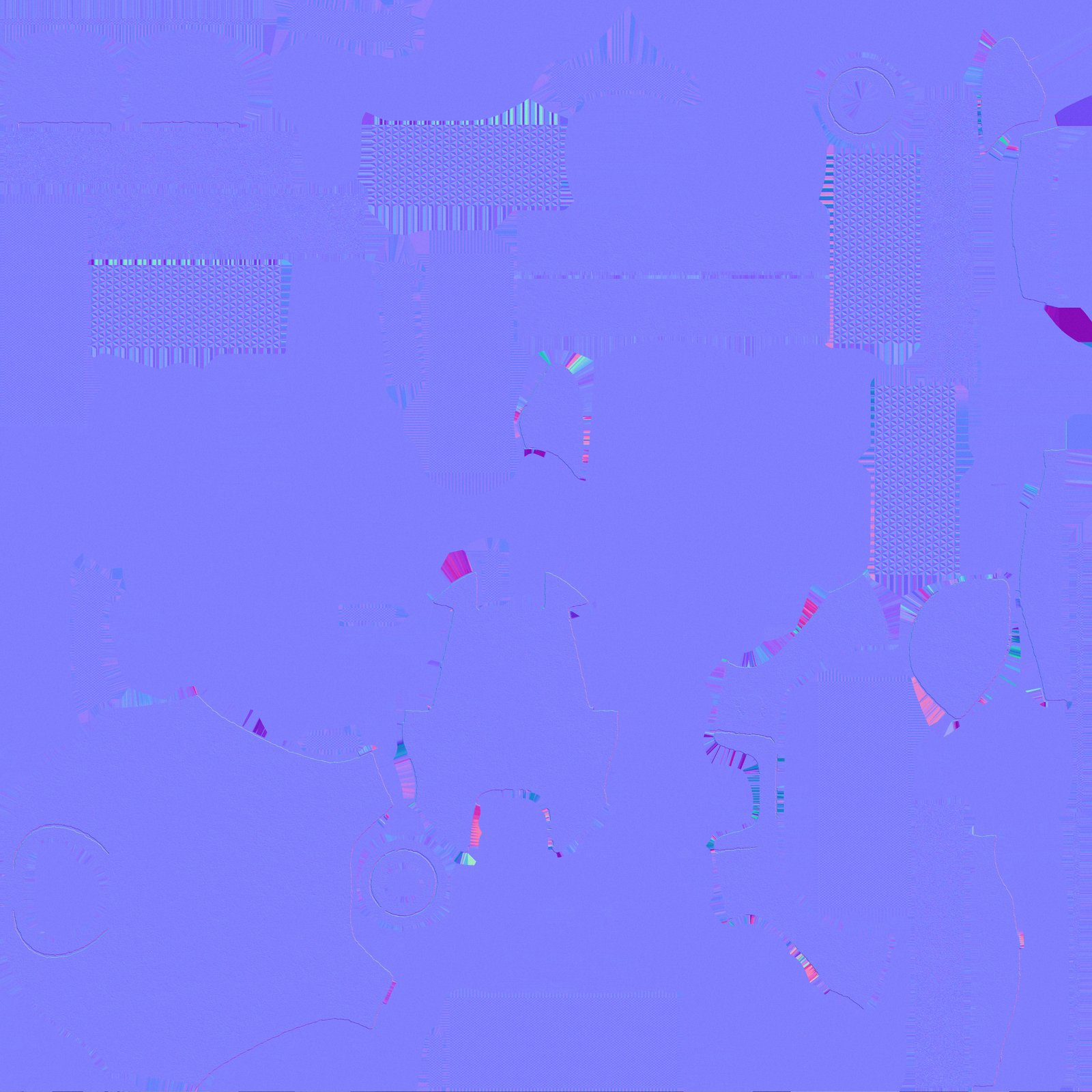
For surface detailing, we added fine geometry elements like panel bevels and screw indentations directly in Blender, while smaller microdetails were baked from normal maps created in Substance Painter and ZBrush.
Every mechanical joint and cutline was designed to move with purpose — function dictating form.
Texturing & Lookdev
The texturing phase focused on finding the right balance between mechanical realism and handcrafted wear — ensuring the robot visually belonged to the Levi’s universe.
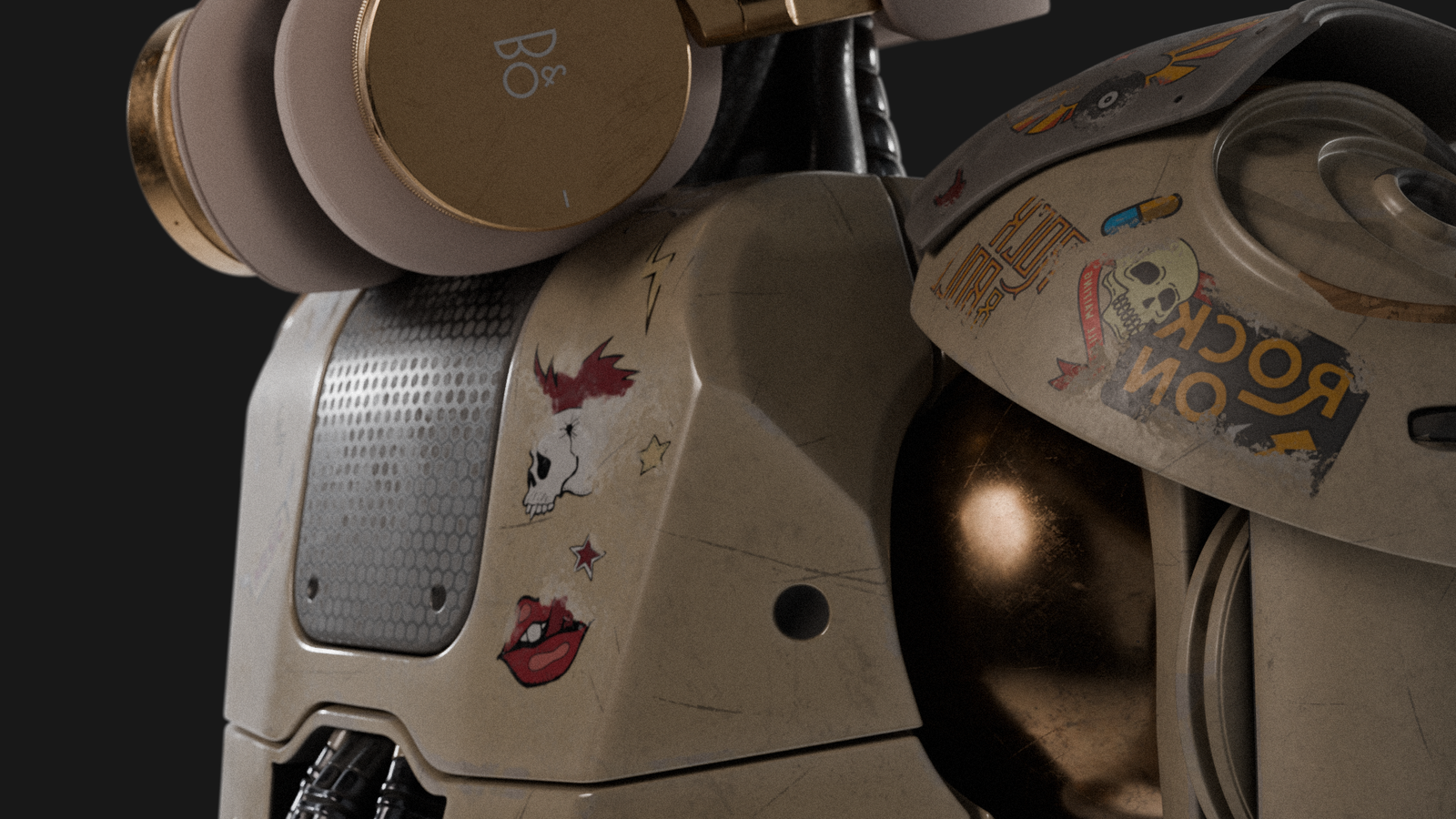
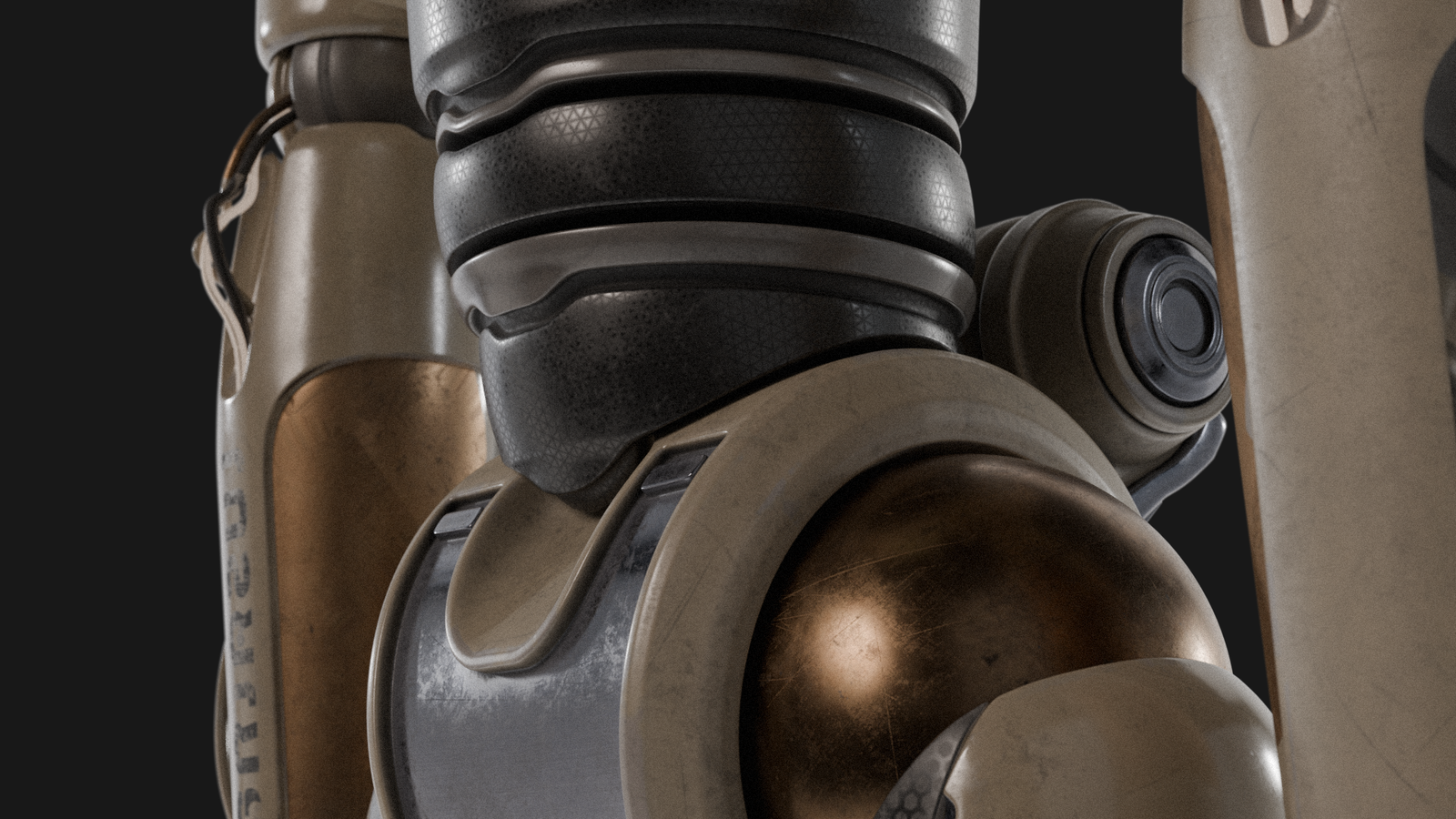
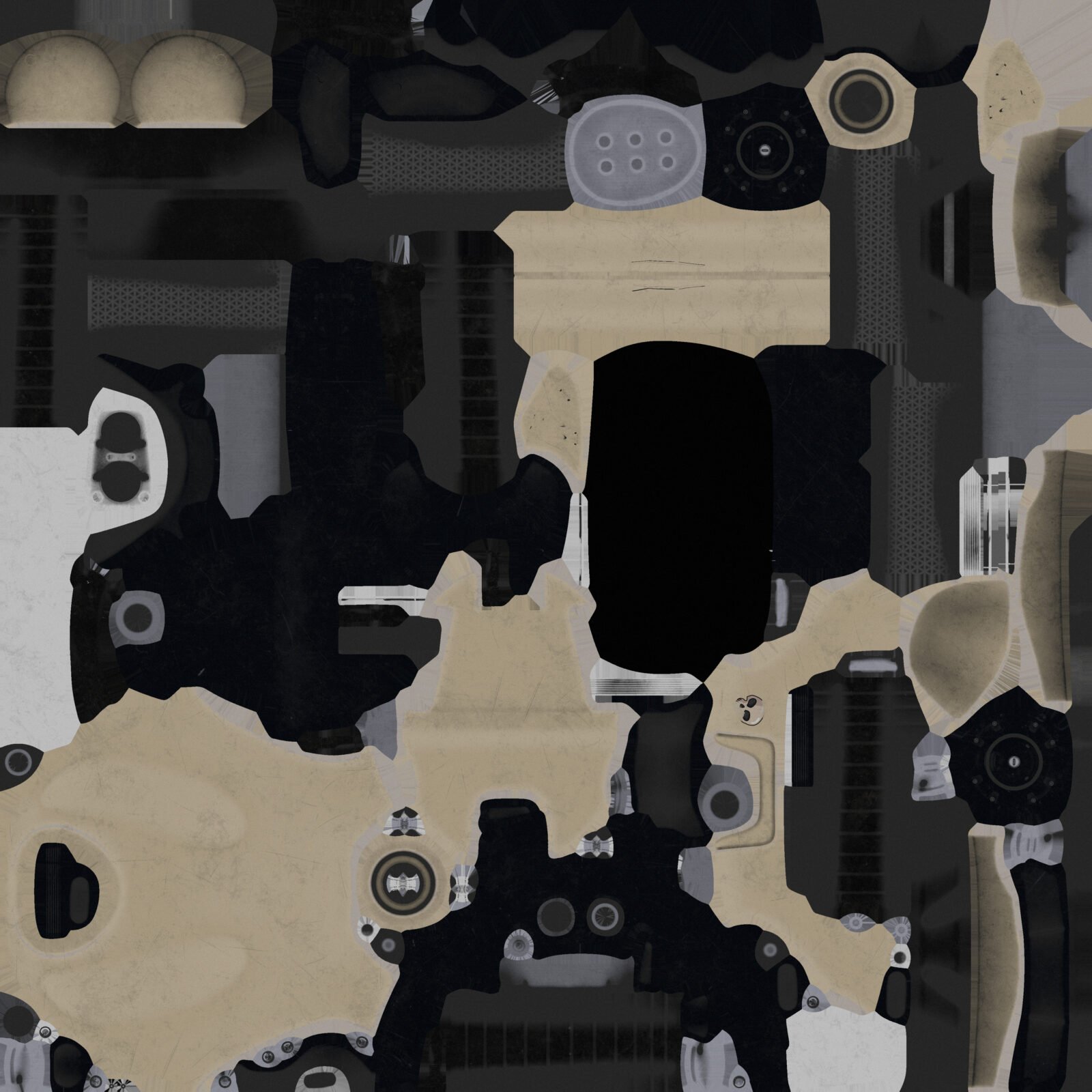
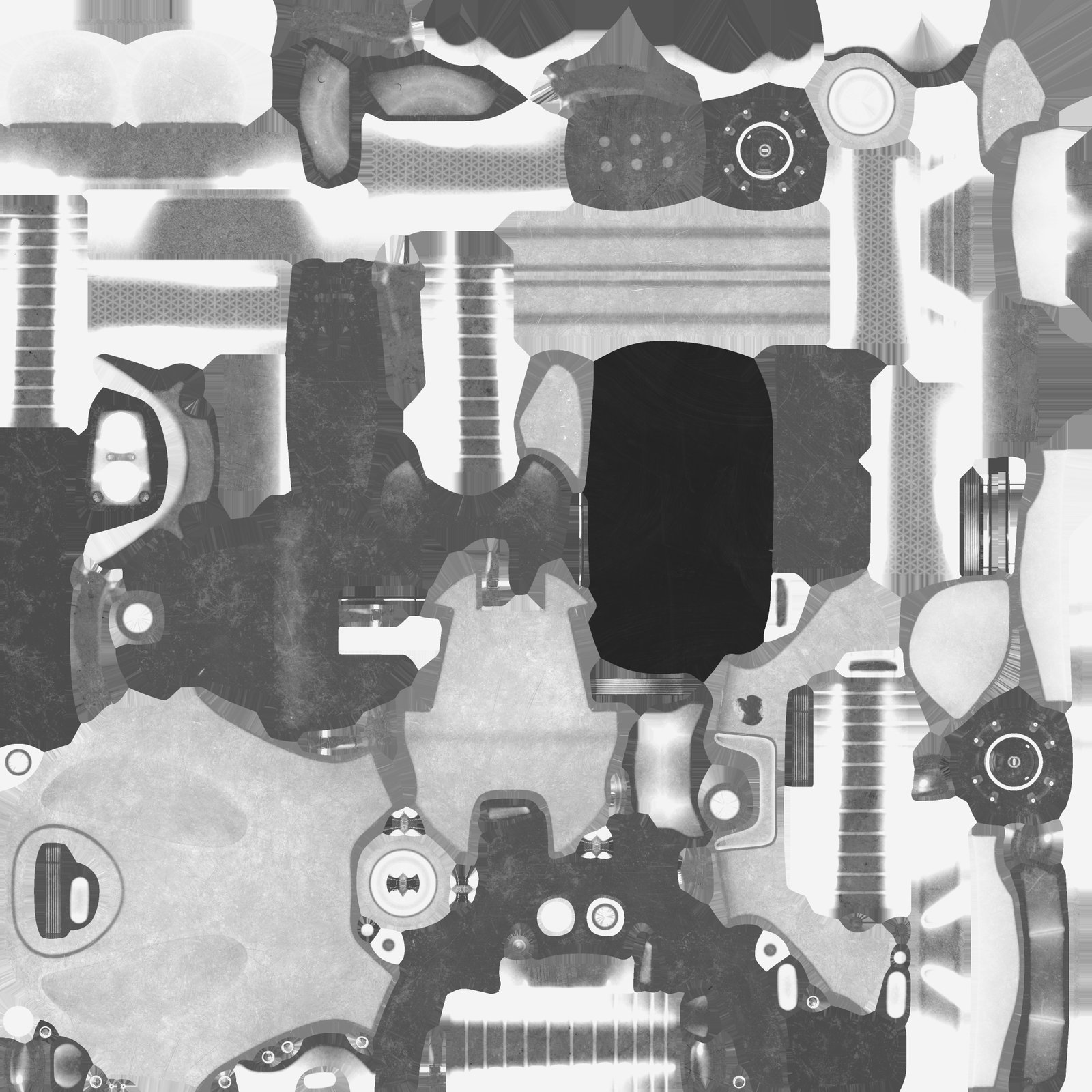
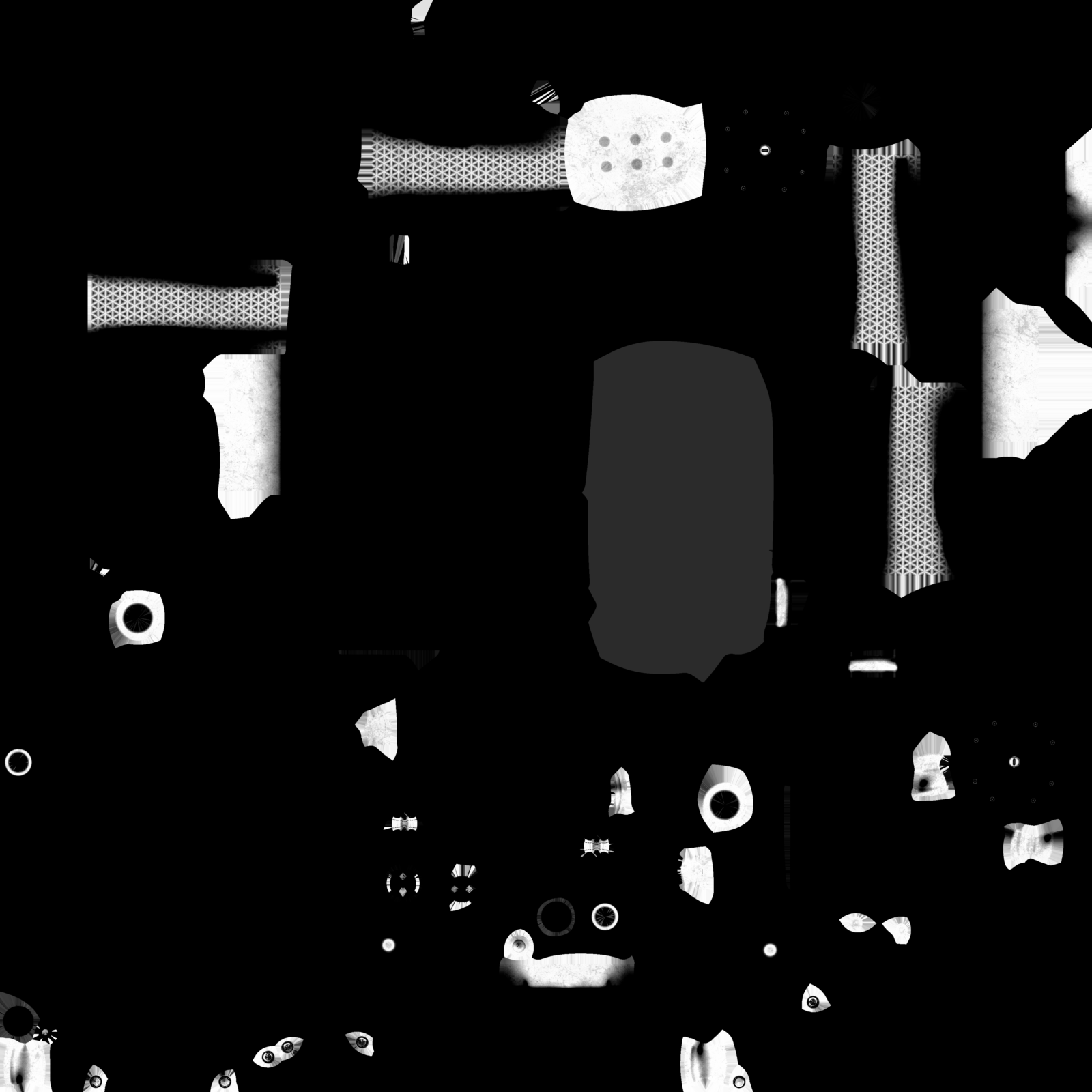
We used Substance Painter for all PBR texturing, building a multi-layer material system that combined base metal with dirt, oil, and wear passes.
Material breakdown:
- Base metal: anodized aluminum with slight anisotropy.
- Midwear layer: micro-scratches, edge chipping, and procedural dust accumulation.
- Character layer: hand-painted decals, graffiti stickers, and matte scuffs.
- Accent tones: subtle blue-gray hues referencing Levi’s denim fabric.
The shading setup was finalized in Arnold, rendered in ACEScg, with custom AOVs for diffuse, specular, reflection, and emission control.
The surface needed to look lived-in — like something built decades ago, still running, still cool.
Optimization
To ensure fast iteration during animation and lighting, we optimized the asset with UDIM-based texture layout (8 UDIMs total at 4K resolution). This allowed for high-resolution detail on close-up shots while keeping memory usage efficient.

Result
The final asset combined industrial precision with human warmth — a design that feels engineered, yet emotionally relatable.
He’s not polished. He’s perfect the way he is.